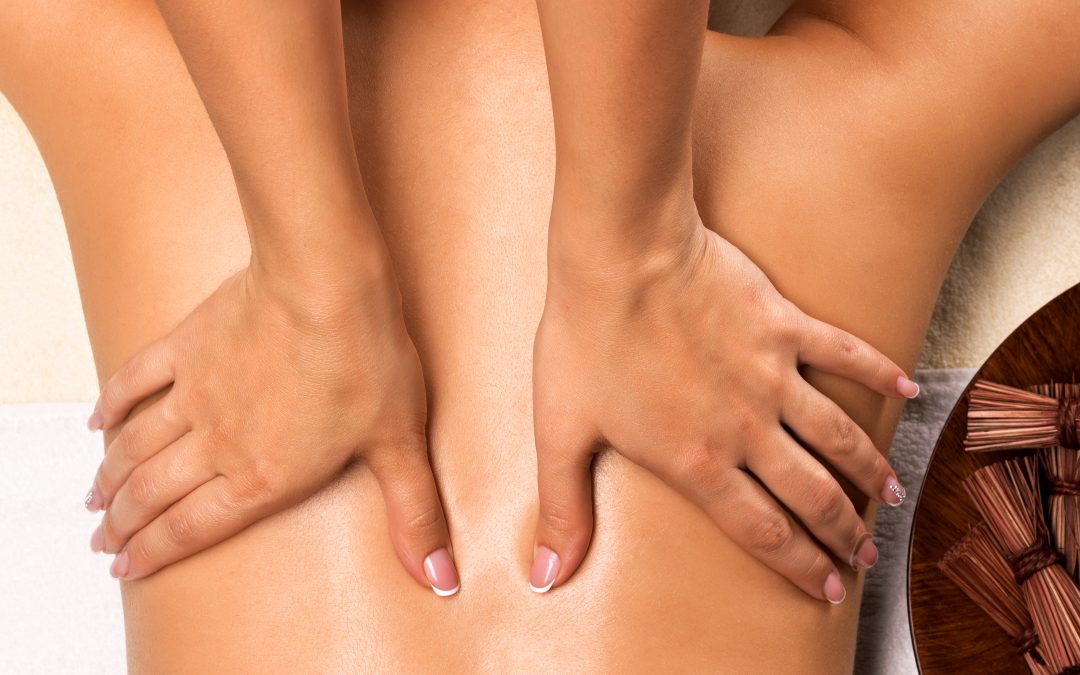
Massage for lower back pain can give short-term relief from everyday, non-specific back pain, but it works best as one part of a plan that keeps you moving, not as a cure. The American College of Physicians lists massage among the first options for acute and subacute low back pain, although it rates the evidence as low quality. A 2015 Cochrane review of 25 trials found massage eased pain in the short term, yet its authors said they had “very little confidence” that massage is an effective treatment overall. In practice, a good session may loosen tight muscles and help you feel better for a while, especially if your back stiffens after long hours at a desk or on your feet. Pair it with regular movement, breaks from static postures and simple strengthening exercises. And if your back pain comes with numbness, leg weakness or bladder changes, see a doctor before you book any massage.
Why does your lower back feel tight after a day at a desk or on your feet?
Most everyday back pain is non-specific, meaning there is no clear single cause. The NHS notes that back pain has many causes, that it is not always obvious what triggered it, and that it often gets better on its own. Cleveland Clinic says most lower back pain comes from injuries to muscles or tendons, with strains and sprains the most common causes.
Long hours in one position add to the load. A desk ergonomics leaflet from Chelsea and Westminster Hospital NHS Foundation Trust says prolonged sitting can result in muscle fatigue around the shoulders, neck and back. It adds that time spent in one static posture can affect your symptoms even when your posture is excellent. It is written for desk workers, but if you stand in one spot for hours, the same principle applies: change position often.
Back pain is also very common and tends to return. Cleveland Clinic says nearly everyone experiences lower back pain at some point, and many people have another episode within a year. That is why the habits you build between massages matter as much as the massage itself.
What do clinical guidelines and research say about massage for back pain?
The American College of Physicians (ACP) published its guideline on non-drug and drug treatments for low back pain in 2017. It notes that most people with acute or subacute low back pain improve over time regardless of treatment. For them, it recommends starting with non-drug options: superficial heat (moderate-quality evidence), or massage, acupuncture or spinal manipulation (low-quality evidence).
For chronic low back pain, the ACP’s first-line list looks different. It favours exercise, multidisciplinary rehabilitation, acupuncture, mindfulness-based stress reduction, tai chi, yoga and several other approaches. Massage is not on that list, a point the US National Center for Complementary and Integrative Health (NCCIH) also highlights.
The 2015 Cochrane review pooled 25 randomised trials with 3,096 participants. Massage did better than inactive controls (such as sham treatment or no treatment) for pain in the short term, and for people with subacute or chronic pain it also improved function in the short term, but not in the long term. Compared with active treatments such as exercise, physical therapy or acupuncture, massage did better for pain but made no difference to function. The authors rated the evidence as low to very low quality.
| Source | What it says about massage | How strong is the evidence? |
|---|---|---|
| ACP guideline (2017) | An option for acute and subacute low back pain, but not among the first-line options for chronic pain | Low quality |
| Cochrane review (2015) | Short-term pain relief, with no long-term benefit for function | Low to very low quality |
| NCCIH | Only weak evidence that massage may help; the risk of harm appears low | Weak |
| NHS self-care advice | Focuses on staying active, exercises and stretches, and heat packs | Not rated |
What can massage realistically do for your back, and what can’t it do?
Together, the evidence points to a modest, short-lived benefit. Even so, if your back has stiffened after a week of deadlines or long shifts, a session may ease the ache enough for you to move more comfortably, and staying active is exactly what the NHS recommends.
Massage may:
- ease pain for a while, in line with the short-term results in the Cochrane review
- give you a more comfortable window in which to get walking and stretching again
- offer a welcome break from screens, counters and shop floors
Massage won’t:
- fix a slipped disc, sciatica or another specific medical condition
- replace exercise, which the ACP puts first for chronic back pain
- tell you what is causing your pain; only a medical assessment can do that
Massage is generally low risk. NCCIH says serious side effects are rare, and that some reported cases involved vigorous styles such as deep tissue massage. In the Cochrane trials, the most common side effect was increased pain, reported by between 1.5% and 25% of participants. Firmer is not automatically better, so tell your therapist how the pressure feels. Our guide to deep tissue vs relaxation massage explains the difference.
What habits help your back between massages?
Most of these habits come straight from NHS self-care advice.
- Keep moving. The NHS advises staying active, carrying on with your daily activities, and not staying in bed for long periods.
- Do exercises and stretches for back pain. The NHS recommends them, and the ACP puts exercise first for chronic back pain.
- Try heat. The NHS suggests a heat pack or hot water bottle wrapped in a tea towel to relieve stiffness or muscle spasms. The ACP rates the evidence for superficial heat in recent-onset back pain as moderate quality.
- Break up static postures. The Chelsea and Westminster leaflet advises regularly changing your posture or task, including standing up and moving around.
- Build core strength. Cleveland Clinic notes that Pilates and other exercise programmes strengthen the core, hip and back muscles that support your spine.
- Lift with your legs, not your back. Cleveland Clinic also points out that excess weight puts pressure on your vertebrae and discs.
If the tightness creeps up into your neck and shoulders too, our post on tech neck and tight shoulders covers desk-related upper body tension.
Which FootNote massage suits a tight lower back?
At FootNote, the Acupressure Body Massage is the natural choice for a stiff lower back, because a full body session gives your therapist time to work on your back as well as the areas around it. It costs $75 for 60 minutes ($65 for members) or $105 for 90 minutes ($92 for members). If you only have a lunch hour, Back & Shoulder Acupressure is a shorter, focused option at $48 for 30 minutes or $62 for 45 minutes ($39 and $52 for members). Every session starts with a complimentary organic foot soak, and prices are nett and include GST. See our body massage page or the full price menu for all options.
Tell your therapist where it hurts and how firm you want the pressure. Please don’t book if you are nursing an injury, are pregnant, or have had surgery in the past three months, and check with your doctor first if you have a medical condition.
When should you see a doctor instead of booking a massage?
Massage is for everyday muscular tightness. Some back pain needs a medical assessment first. The NHS advises seeing a GP if your back pain:
- has not improved after a few weeks of treating it at home
- is stopping you from doing your day-to-day activities
- comes with weight loss you were not trying for
- comes with a lump or swelling in your back, or your back has changed shape
- does not improve with rest, or is worse at night
- is worse when you sneeze, cough or poo
- is coming from the top of your back, between your shoulders, rather than your lower back
Get an urgent appointment if you feel hot, cold, shivery or generally unwell, or if severe pain starts suddenly or gets worse quickly. Go to A&E straight away if back pain comes with any of these:
- pain, tingling, weakness or numbness in both legs
- loss of feeling around your genitals or anus
- changes in your bladder or bowels, such as difficulty peeing, or peeing or pooing yourself
- changes in sexual sensation or function
- chest pain
- pain that started after a serious accident, such as a car accident
Get checked first, and return to massage once your doctor is happy.
Book a massage for your back
If your back pain is the everyday, stiff-after-work kind, a regular massage can be a pleasant part of looking after it. FootNote has two outlets, both open daily from 11am to 10pm: PLQ Mall, connected to Paya Lebar MRT (call or WhatsApp 8908 0415), and NEX, directly above Serangoon MRT (8138 9887). Book through our contact page or message the outlet nearest you.
Frequently asked questions
How often should I get a massage for a stiff lower back?
No research we found sets an ideal schedule. The Cochrane review showed pain benefits mainly in the short term, so many people treat massage as an occasional reset rather than a fixed routine. Notice how long the relief lasts and plan around that. If you feel you need massage constantly just to get through the week, see a doctor or physiotherapist to find out why.
Is heat or massage better for a stiff back?
You don’t have to choose. The ACP guideline rates the evidence for superficial heat in acute and subacute low back pain as moderate quality, compared with low quality for massage. The NHS suggests a heat pack or hot water bottle wrapped in a tea towel for stiffness or spasms. Heat is easy to use at home, and a massage can be an occasional extra.
Is deep tissue massage better for lower back pain?
Not necessarily. Stronger pressure is not proven to work better, and NCCIH notes that some rare serious side effects have been reported with vigorous styles such as deep tissue massage. In the Cochrane trials, increased pain was the most common side effect. Ask for pressure that feels firm but comfortable. Our deep tissue vs relaxation massage guide explains the options.
Can I get a massage if I have a slipped disc or sciatica?
Speak to your doctor first. The NHS lists slipped discs and sciatica among the medical conditions that can cause back pain, and these need proper assessment. Massage will not fix them. FootNote asks anyone with a medical condition to check with their doctor before booking, and not to book while nursing an injury.
Will massage help if my back pain is chronic?
It may give some short-term relief, but it should not be your main plan. The ACP guideline does not list massage among its first-line options for chronic low back pain and puts exercise, rehabilitation, yoga, tai chi and similar approaches first. If your pain has lasted for months, a doctor or physiotherapist can help you build a programme, with massage as an occasional extra.
Sources (6)
- American College of Physicians (Annals of Internal Medicine)Noninvasive Treatments for Acute, Subacute, and Chronic Low Back Pain: A Clinical Practice Guideline (Qaseem et al., 2017)
- Cochrane Database of Systematic ReviewsMassage for low-back pain (Furlan et al., 2015)
- NHSBack pain
- NCCIHMassage Therapy: What You Need To Know
- Cleveland ClinicLower Back Pain
- Chelsea and Westminster Hospital NHS Foundation TrustDesk health (ergonomics) patient leaflet