The main difference in acupressure vs acupuncture is the tool: both work on the same traditional points on the body, but acupressure uses firm pressure from the hands while acupuncture inserts fine needles into the skin. Massage is the broader category: it means working the muscles and other soft tissues by hand, and acupressure is often built into it. Acupuncture pierces the skin, so in Singapore it is a regulated practice carried out by practitioners registered with the Traditional Chinese Medicine Practitioners Board. Acupressure and massage use no needles and do not break the skin. On evidence, acupuncture has the most research behind it, with reviews suggesting it may help some chronic pain such as back, neck and knee pain. Research on acupressure is smaller and mostly low in certainty, while massage may ease neck and shoulder pain for a short while. None of the three is a cure, and the right choice depends on what you want from a session.
What is acupressure?
Acupressure is a hands-on technique in which pressure is applied to specific points on the body, known as acupoints. It comes from the same traditional Chinese medicine idea as acupuncture, which holds that these points sit along channels, or meridians, running through the body.
A 2016 review in the Journal of Traditional and Complementary Medicine describes acupressure as manual, needle-free and non-invasive. In a spa, that usually means a therapist using the fingers, thumbs and palms. Acupressure also exists outside the treatment room: wristbands that press on a point on the inner wrist, called PC6, are one of the needle-free methods researchers have tested for nausea.
Acupressure can feel firm, especially over tight muscles, but it should stay within your comfort range. The same review cautions that very strong pressure can cause harm, and that skin which is inflamed, injured, scarred or has a rash should be avoided.
What is acupuncture, and who can do it in Singapore?
The US National Center for Complementary and Integrative Health (NCCIH) defines acupuncture as a technique in which practitioners insert fine needles into the skin to treat health problems. NCCIH notes that relatively few complications have been reported, but that when it is done improperly or with non-sterile needles, acupuncture can cause serious harm such as infections and punctured organs.
That is why who holds the needle matters. Under the framework set out by the Ministry of Health, only registered persons with a valid practice certificate have been allowed to practise acupuncture in Singapore since 1 January 2002. Today, the TCM Practitioners Board registers two groups who can practise it:
- TCM physicians, who can also practise acupuncture
- Acupuncturists, a category currently open only to qualified Singapore-registered doctors and dentists
So if you want acupuncture, see a registered TCM physician, or a doctor or dentist registered as an acupuncturist, and feel free to ask about their registration. A massage or reflexology spa is not the place for it.
Where does massage fit in?
NCCIH describes massage therapy as manipulating the soft tissues of the body, such as muscles, to help manage a health condition or support wellness. It names Swedish massage as the most common Western style, alongside Eastern styles such as Shiatsu and Tuina.
Acupressure massage sits where the two ideas meet. The therapist works through the muscles of the back, shoulders, arms and legs, using focused pressure from the hands on tight spots and points. An oil-based massage uses oil and tends to feel smoother and more flowing. If you are unsure which pressure suits you, our guide to deep tissue vs relaxation massage walks through the options.
Acupressure vs acupuncture vs massage: how do they compare?
| Acupressure | Acupuncture | Massage | |
|---|---|---|---|
| What is used | Hands pressing on acupoints | Fine needles inserted into the skin | Hands working the muscles and soft tissue |
| Breaks the skin? | No | Yes | No |
| Who does it in Singapore | Massage and reflexology therapists | TCM physicians, or doctors and dentists registered as acupuncturists, with the TCM Practitioners Board | Massage therapists |
| Where the evidence is strongest | Small, mostly low-certainty studies, such as wristbands for nausea after surgery | Chronic back, neck and knee pain, and migraine prevention | Short-term relief of neck and shoulder pain |
| Main safety point | Keep pressure tolerable and avoid injured or inflamed skin | Sterile needles and proper technique by a registered practitioner | Serious problems are rare; reported cases often involved vigorous techniques or higher-risk people |
What does the research say about each one?
Acupuncture
Acupuncture has the largest body of research of the three. NCCIH summarises a 2018 review in which data from 12 studies (8,003 participants) showed acupuncture worked better than no treatment for back or neck pain, and data from 10 studies showed it worked better than sham acupuncture. The American College of Physicians includes acupuncture among the first-line, non-drug options for chronic low-back pain.
A 2019 guideline conditionally recommends it for osteoarthritis of the knee, hip or hand, and there is moderate-quality evidence that it may reduce how often migraines happen, although the advantage over sham acupuncture is small. NCCIH also notes that nonspecific effects, such as expectation, seem to contribute to the benefit.
Acupressure
The research here is thinner. NCCIH cites a 2019 review of 15 studies (930 participants) on auricular acupuncture or auricular acupressure, the needle-free version, which found that it significantly reduced pain intensity, with about 80 percent of the individual studies showing favourable effects.
A 2025 Cochrane review of PC6 wrist stimulation, which included acupressure wristbands, found that needle-based and needle-free methods combined with anti-nausea medicine may reduce nausea and vomiting after surgery compared with sham treatment. The reviewers rated their overall confidence as generally low. Results elsewhere are mixed: the 2016 review mentioned above notes a trial in which acupressure failed to prevent nausea from chemotherapy.
It is worth being honest that these studies look at specific medical uses. They do not tell us much about a relaxing acupressure massage for everyday muscle tension, which most people book for comfort rather than treatment.
Massage
According to NCCIH, massage may help neck and shoulder pain, though the benefits may be short-lived. Evidence for low-back pain is weak. NCCIH also describes the risk of harmful effects from massage as low.
Which one should you choose?
- Choose acupressure massage if you want hands-on relief for tight muscles and prefer no needles.
- Consider acupuncture if you have a long-standing pain problem and want a regulated treatment with a larger research base. Book it with a registered practitioner.
- Choose a general or oil-based massage if relaxation is your main goal and you prefer lighter, flowing strokes.
- See a doctor first if your pain is new, severe or getting worse, or if you have a medical condition.
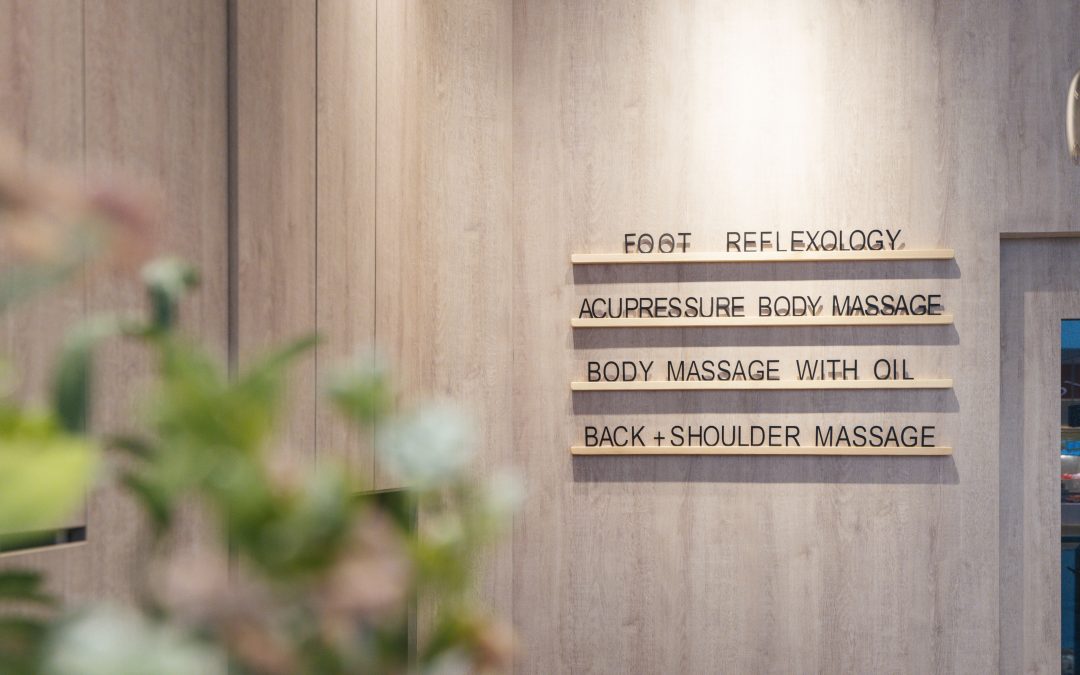
At FootNote, we offer acupressure massage, not acupuncture, so no needles are ever used. Our Acupressure Body Massage costs $75 for 60 minutes ($65 for members), $105 for 90 minutes and $129 for 120 minutes, and Back & Shoulder Acupressure starts at $48 for 30 minutes. Every session begins with a complimentary organic foot soak, and all prices are nett. If long hours at a desk are behind your stiffness, our post on tech neck and tight shoulders explains what a session focuses on.
Ready to try acupressure massage?
You can book at either outlet, both open daily from 11am to 10pm. Our PLQ Mall outlet is connected to Paya Lebar MRT (WhatsApp 8908 0415), and our NEX outlet sits above Serangoon MRT (WhatsApp 8138 9887). Tell us the areas that feel tight and the pressure you like, and visit our contact page to book.
Frequently asked questions
Is acupressure safer than acupuncture?
Both are considered low risk when done properly, but the risks differ. Acupuncture breaks the skin, so problems such as infection are possible if needles are not sterile or the technique is poor, which is why it should only be done by a registered practitioner. Acupressure uses no needles. Its main risk is pressure that is too strong, or pressing on skin that is injured or inflamed.
Does acupressure massage hurt?
It can feel firm, and tight spots may feel tender while they are being worked on. It should never be sharply painful. Tell your therapist straight away if the pressure is too much, and they can ease off or move to another area. A good session leaves you feeling looser, not bruised.
Can a massage spa in Singapore offer acupuncture?
No. In Singapore, acupuncture may only be practised by people registered with the TCM Practitioners Board, which today means TCM physicians, or doctors and dentists registered as acupuncturists. A massage or reflexology spa can offer acupressure, which uses the hands rather than needles. If a place offers needles without registered practitioners, look elsewhere.
How often should I get an acupressure massage?
There is no research-backed schedule for relaxation massage, so it comes down to how your body feels and your budget. Some people book when tension builds up, others prefer a regular slot every few weeks. Start with one session, notice how long the effect lasts, and plan from there. A stored-value package can lower the cost if you visit often.
Do acupressure wristbands work for nausea?
They may help in some situations. A 2025 Cochrane review found that stimulating the PC6 point on the wrist, including with acupressure wristbands, may reduce nausea and vomiting after surgery when combined with anti-nausea medicine, compared with sham treatment. The reviewers rated their confidence as generally low, and the wristbands are not a substitute for medical advice.
Sources (6)
- NCCIHAcupuncture: Effectiveness and Safety
- NCCIHMassage Therapy: What You Need To Know
- Ministry of Health SingaporeMain Framework for the Regulation of TCM Acupuncturists
- Traditional Chinese Medicine Practitioners BoardRegisters of TCM practitioners
- CochraneBenefits and risks of different wrist (PC6) acupoint stimulation techniques for preventing nausea and vomiting after surgery (2025)
- Mehta P et al., Journal of Traditional and Complementary Medicine (2016)Contemporary acupressure therapy